Insights
Katie Bowe
Digital Marketing Coordinator
Your Next Donor Might Meet You Through an AI Assistant
September 28, 2026
4 Minutes Read Time

Here’s a question every mission-driven organization should be asking: what do AI assistants say about us?
Most teams have never checked. Yet a growing share of donors, grant seekers, volunteers and partners now begin their research in ChatGPT, Claude, Gemini or Perplexity. They ask a question, get a short list of organizations and often decide from there.
That short list is the new first impression. Earning a place on it is called AI visibility, also known as GEO (generative engine optimization) or AEO (answer engine optimization). Much of the conversation around it focuses on technical tactics, but our take is simpler: for nonprofits and foundations, AI visibility starts with brand and website clarity.
AI visibility is a brand challenge first
AI assistants build their answers from what they can find and understand about you. That includes your website, your messaging and everything others have published about your organization. When that picture is clear and consistent, assistants can describe you with confidence. When it’s scattered or out of date, they fill the gaps with whatever they can find.
That’s the challenge we help organizations solve every day. A focused brand, a clear message and a website built around its users have always helped people understand your mission. Now they help AI assistants understand it, too.
Search still sets the stage
AI assistants often search the web before they respond, which means organic search strength carries straight into AI results. The organizations that rank well give assistants more to find and more reasons to cite them.
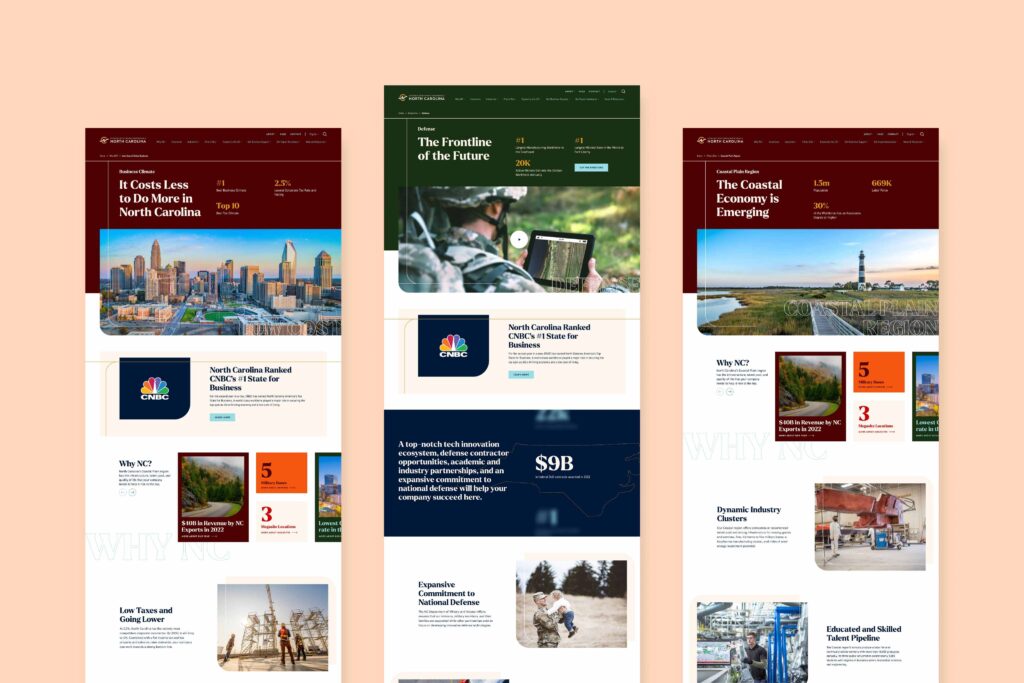
After we overhauled the Economic Development Partnership of North Carolina’s (EDPNC) website, keyword visibility grew from 16% to 43%, contact form submissions rose 128%, and phone calls rose 172%. That kind of search performance is the foundation upon which AI visibility is built.
Clarity is your biggest advantage
Mission-driven organizations evolve, and their digital footprint rarely keeps pace.
When we began working with the Arthur Vining Davis Foundations (AVDF), established in 1952, their evolution had outpaced their messaging and visual identity. HeadsUp began as the Pennsylvania Early Intervention Center, and legacy names can persist across articles, directories and partner sites for years.
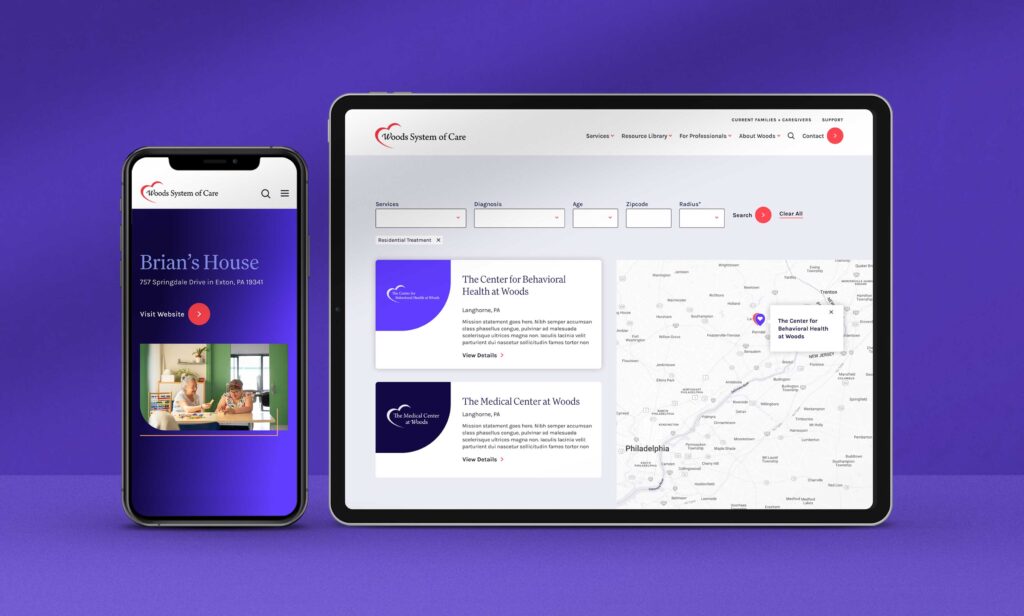
Language matters as much as consistency. Mission statements full of abstract phrases give an assistant little to work with. Specifics do: who you serve, where, through which programs and with what results. For The Woods System of Care, which serves people with disabilities of all ages, that means plain-language content and a robust provider search that help users find the right care.
Every audience asks different questions
Most AI visibility advice is written for companies trying to win customers. Mission-driven organizations have a more complex task. They serve donors, grant seekers, program participants, partners and communities, and each group asks its own questions.
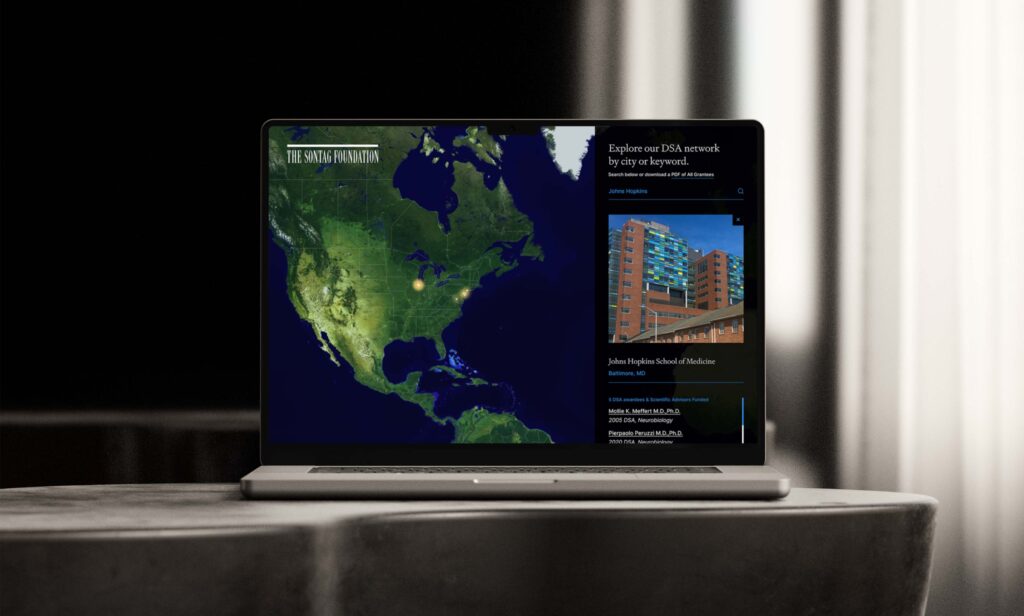
A researcher might ask how to acquire funding for brain cancer research. The Sontag Foundation wants to reach those types of grant seekers.
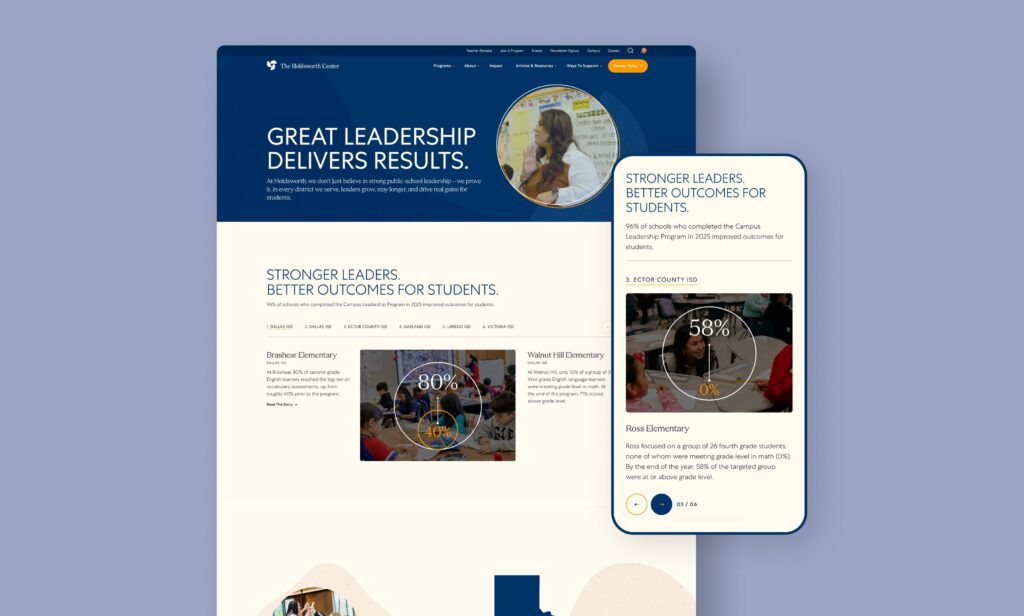
A superintendent of Texas schools might look for leadership development opportunities, which is where The Holdsworth Center comes in.
A business owner might look for neighborhood resources that University City District provides.
And a donor deciding where to open a charitable fund might compare national providers with Pasadena Community Foundation, which brings 70 years of local expertise to that decision.
Keyword research is the best way to understand what each audience is searching for today. From there, we focus on the questions closest to action: giving, applying, volunteering and partnering.
Make your website the source
When a topic lacks strong, authoritative content, your website has the chance to become the definitive answer. The sites that do this well are specific, current and easy to navigate.
Vermont Community Foundation’s dynamic impact report uses interactive maps and charts. The Sontag Foundation’s map showcases grant recipients around the world. EDPNC gives users a searchable FAQ and resource archive. After AVDF’s redesign elevated past grantees, its grant application page became the second most visited page on the site, and organic search traffic grew 10.5%.
Structure helps AI understand you
Information architecture shapes how easily anyone, human or AI, can interpret your organization. Holdsworth’s site is organized by audience and leadership stage. Pasadena Community Foundation offers distinct pathways for donors, nonprofits, and advisors. When every audience has a clear path, every audience’s questions have a clear answer.
Look beyond your own site
Your website is the source you control, but it isn’t the only one that counts. Assistants also draw on giving guides, rankings, local news, partner websites and directories. Keeping those listings accurate, and earning a place in the regional roundups and partner features that matter to your audiences extends your story well beyond your own domain. The most accessible sources are often the most valuable ones to start with.
Track it over time
AI responses shift from one query to the next, so a single result is only a snapshot. The clearest picture comes from asking the same set of questions regularly and tracking how often you appear, who appears alongside you, and which sources inform each answer.
Attribution takes some creativity. A supporter might discover you through Gemini, search your name on Google days later and then give, and analytics will credit Google. Adding “AI assistant (ChatGPT, Claude, Gemini, etc.)” to your “How did you hear about us?” question adds a valuable self-reported signal.
Built to be found
AI assistants reward the same things your users do: a clear story, a well-structured website, and content that answers real questions. That’s what we build.
If you're ready for a brand and website your audiences, and the AI they use, can find and understand, let's talk.
Contact UsRecent Insights
The Future of Brand Strategy: Harnessing The Power of AI
As strategists, our role is to navigate complex challenges, identify opportunities, and craft effective plans for success. In this digital age, we have a powerful ally at our disposal—Artificial Intelligence (AI)
27
Jul

27
Jul