Insights
Lisa Lloyd
Senior Account Manager
When “Senior” No Longer Suits Your Nonprofit
May 12, 2026
5 Minutes Read Time

For decades, the word “senior” has been a familiar part of many nonprofit organization names.
It appeared in senior centers, senior services organizations, senior living communities, healthcare nonprofits, and aging-focused community programs across the country. At one time, the term felt clear, respectful, and widely understood.
But today, many nonprofit leaders are beginning to ask an important question:
Does the word “senior” still reflect who we are, who we serve, and how people want to identify themselves?
For some organizations, the answer is becoming more complicated.
Why Organizations Are Reconsidering the Word “Senior”
Many nonprofits serving older adults have evolved significantly over the years. What may have started as a small community resource now includes:
- wellness programming
- social connection initiatives
- transportation services
- nutrition programs
- advocacy work
- caregiver support
- lifelong learning opportunities
- housing assistance
- mental health services
- volunteer engagement
- community building
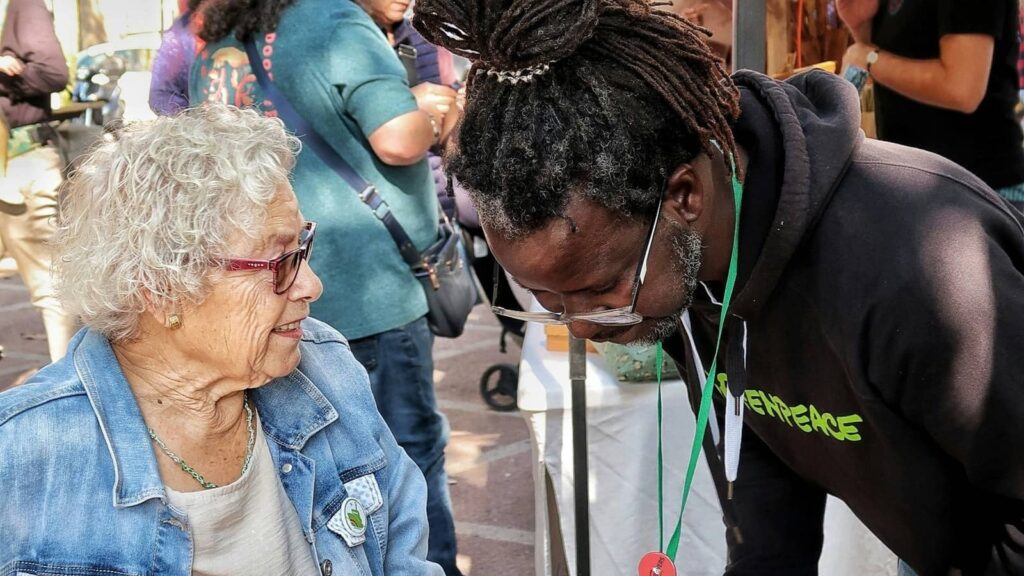
At the same time, the audiences these organizations serve have changed too.
Today’s older adults are living longer, staying active later in life, working beyond traditional retirement age, and redefining what aging looks like. Many people simply do not identify with the word “senior,” especially younger older adults who may still feel decades away from that label emotionally or culturally.
As a result, some nonprofit organizations worry that the term may unintentionally:
- reinforce outdated stereotypes about aging
- discourage participation
- create emotional distance
- feel institutional or clinical
- fail to reflect the vibrancy of their mission
- make services feel “not for me”
This does not mean the word itself is inherently wrong. In many communities, it still carries trust and recognition. But for organizations focused on growth, inclusion, and future relevance, it is becoming increasingly important to evaluate whether the language still aligns with the experience they want to create.
A Name Shapes Perception
A nonprofit organization’s name is often the first interaction someone has with the brand.
Before reading a mission statement.
Before visiting a facility.
Before attending a program.
Before making a donation.
The name creates an immediate emotional and psychological impression.
For organizations serving older adults, that perception matters deeply. Many nonprofits are working hard to shift conversations around aging from decline and limitation toward connection, vitality, independence, dignity, and quality of life.
If the organizational name unintentionally communicates something different, it can create friction before the relationship even begins.
This is one reason more nonprofits are exploring nonprofit rebranding and nonprofit name change initiatives as part of broader strategic planning efforts.
This Is Bigger Than Marketing
When organizations begin discussing whether “senior” still fits, the conversation can quickly become emotional.
That makes sense.
These organizations often have decades of history tied to their name. Community trust, donor relationships, volunteer engagement, and personal memories are connected to the brand. For longtime supporters, changing the name can feel like abandoning legacy or tradition.
But the strongest nonprofit branding conversations are not about abandoning the past. They are about ensuring the organization remains relevant, welcoming, and aligned with its mission moving forward.
The most successful nonprofit renaming efforts involve listening first.
That includes conversations with:
- older adults currently using services
- caregivers and families
- staff and volunteers
- community partners
- board members
- donors
- future audiences the organization hopes to reach
These conversations often reveal important insights about how the name is perceived, who feels included or excluded by it, and what the organization truly wants its identity to communicate.

Sometimes the Right Answer Is Keeping the Name
Not every nonprofit organization needs a new name.
In some cases, organizations discover that the existing name still holds strong community equity and emotional resonance. The process itself can help clarify messaging, strengthen positioning, and improve how the organization talks about its mission without requiring a full nonprofit rebrand.
But in other cases, the process confirms what leadership has already sensed:
the organization has evolved, and the name no longer reflects its future.
That realization can open the door to a more meaningful conversation about identity, community perception, and organizational growth.
What a Thoughtful Nonprofit Renaming Process Looks Like
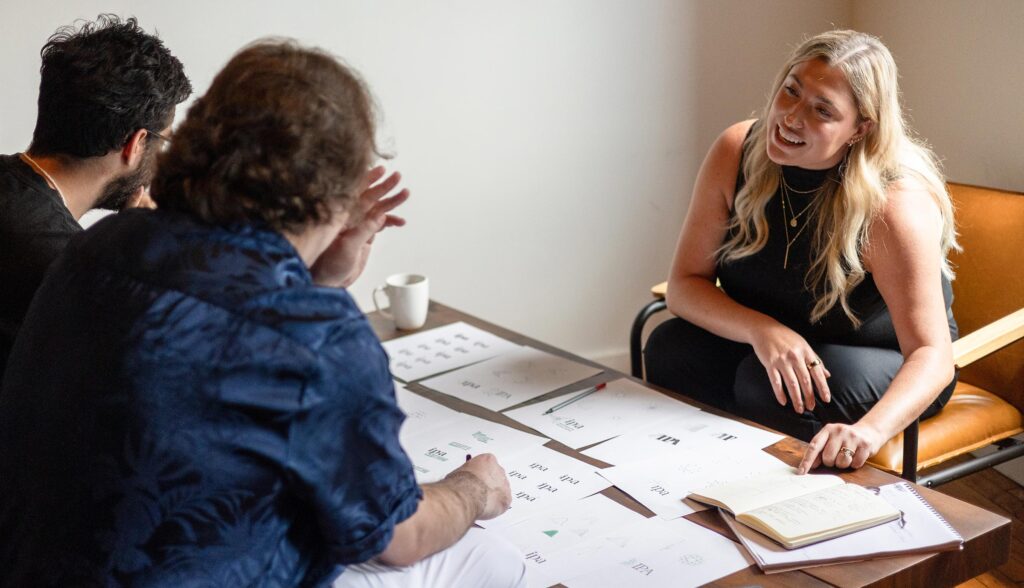
A strategic nonprofit naming process should never begin with logo concepts or brainstorming catchy words.
Instead, it should focus on understanding:
- how the community perceives the organization
- how older adults want to be represented
- what emotional response the brand should create
- how the mission has evolved
- where the organization wants to go in the future
From there, nonprofit organizations can begin exploring naming directions that better reflect their mission, values, and long-term vision.
The goal is not simply to sound more modern. The goal is to create a nonprofit brand identity that feels welcoming, accurate, future-focused, and aligned with the people the organization exists to serve.
The Future of Aging Services Branding
Across the nonprofit sector, organizations serving older adults are helping redefine what aging looks like in modern communities.
Their brands should evolve alongside that work.
For some organizations, that evolution may involve new messaging, updated positioning, or a refreshed visual identity. For others, it may include a full nonprofit name change process designed to better reflect who they are today and where they are headed tomorrow.
Either way, the conversation is worth having.
Because sometimes, the strongest sign of organizational growth is recognizing when the language that once fit no longer fully does.
Is it time for your nonprofit's brand to catch up
with your mission?
Contact Us
Recent Insights
A Strategic Brand is Essential for Nonprofit Marketing Success
An authentic brand is what your audience thinks of you. But without marketing, how does your audience know you even exist?
28
Jan

28
Jan
5 Innovative Ways to Showcase Your Nonprofit’s Impact on Your Website
“Show your impact” – a daunting task that so many in the nonprofit space have come to dread. Yet, no matter how difficult it is, measuring and communicating effectiveness in your marketing is a critical objective for nonprofits around the world.
18
Oct
18
Oct